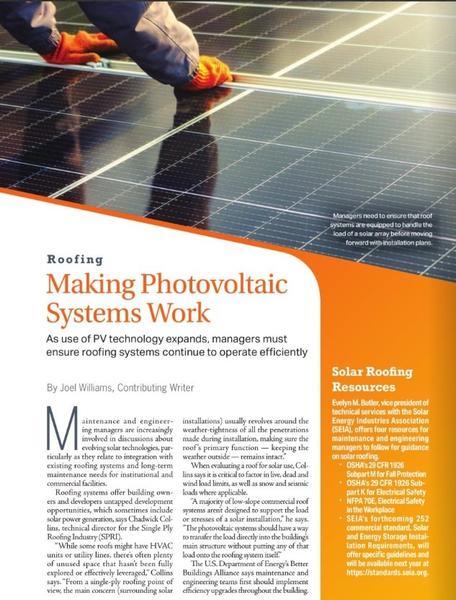
Making Photovoltaic Systems Work

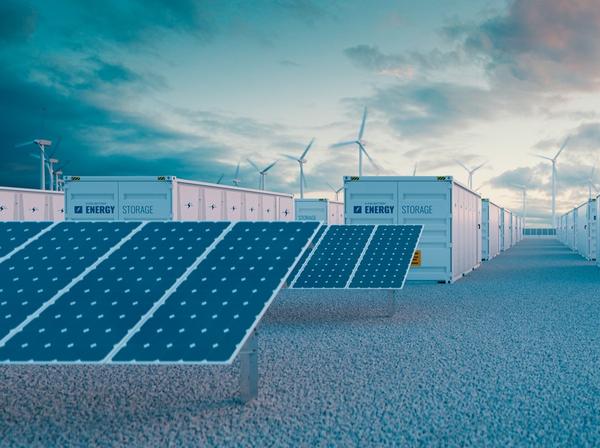
The good news for institutional and commercial facilities is that the development of more efficient, cost-effective solar panels, combined with volatile energy prices, still makes PV technology an attractive alternative for managing energy prices and supporting sustainability efforts.

Water System Consolidation Brings Challenges | Municipal Sewer and Water

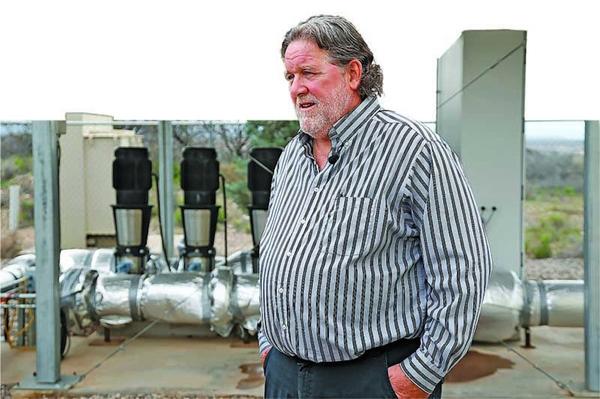
Between 1990 and 2010, the population of Cottonwood, Arizona, located in the state’s second fastest growing county, nearly doubled. This growth put significant strain on the community’s aging and disjointed water delivery systems, which served a customer base of...

Between 1990 and 2010, the population of Cottonwood, Arizona, located in the state’s second fastest growing county, nearly doubled. This growth put significant strain on the community’s aging and disjointed water delivery systems, wh...

Results-Driven B2B Content for Engineers

To create B2B technical content that actually gets read, focus on practical education and end-user benefits.

Lighting Controls Help Facilities Balance Health, Safety and Bottom-Line Needs

Visitors to institutional or commercial properties often see the visible part of the lighting revolution: rows of light-emitting diode (LED) luminaires. What is less obvious yet far more consequential for maintenance and engineering managers for the next decade is that the most significant gains come from what visitors do not see: software, sensors and sequences that determine when, where and how those LEDs operate. In other words, lighting in 2025 is a system.  
That system has three pillars....

Design Resiliency Often Means Going Beyond Building Code Requirements

Beyond the substantial capital required for repairs, failing to invest in disaster-related protections for facilities can result in lost income due to elevated vacancy rates, reputational harm, restricted access to capital, increased insurance premiums, and construction delays...